Ceremonial Diet
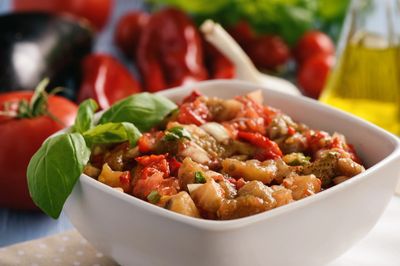
Diet pre, during and after ceremonial retreats
Our vegan meals at the retreat are designed to support inner calm, clear perception, and gentle bodily ease before and during spiritual ceremonies. We serve light, nourishing plant-based dishes that honour the body as a temple for practice, reduce physical burden, and create a subtle energetic environment conducive to reflection and surrender. The menus focus on wholefoods—fresh seasonal vegetables, grains, legumes, nuts and seeds—prepared simply so their natural flavours and life-force remain vibrant while digestion stays effortless.
Why light plant-based food matters
Eating lightly before spiritual work is practical and symbolic: it minimises digestive effort so blood and energy aren’t diverted to heavy metabolism, and it reduces physical agitation that can cloud subtle experience. Plant-based meals are typically lower in saturated fat and denser in fibre and phytonutrients, which helps stabilise blood sugar and mood, lowering jitteriness and promoting steadiness of attention. Choosing unprocessed, whole-plant foods also aligns with many ceremonial traditions that emphasise non-harm and compassion, reinforcing an inward orientation before ritual practice.
Meals that calm the nervous system
Our recipes prioritise ingredients known to be gentle on digestion and supportive of the parasympathetic nervous system—the branch of the autonomic nervous system responsible for rest and restoration. Warm, lightly seasoned soups; steamed or roasted vegetables; simple grain bowls; and small portions of legumes (such as chickpea-based dishes) provide steady, lasting nourishment without the heaviness of dense animal proteins. We avoid highly spiced, greasy or extremely sugary foods in the hours leading up to ceremony because these can elevate the sympathetic fight-or-flight response and fragment concentration.
A sensory and ritual approach to eating
The way we present and invite people to eat is part of the preparation. Meals are served in calm, uncluttered settings with mindful pacing encouraged—chewing slowly, breathing between bites, and taking a moment of gratitude for the food’s origin. This ritualised approach turns a necessary act of nourishment into a preparatory practice that readies the mind and body. Simple acts—blessing the food silently, noticing colour and aroma, expressing thanks to those who grew and prepared the meal—help participants arrive fully present and respectful.
Nutritional balance without heaviness
Our menus are carefully balanced to supply necessary macro- and micronutrients while remaining light. Plates often combine:
Complex carbohydrates (quinoa, brown rice, whole-grain sourdough) for steady energy.
Light legumes and pulses (chickpea pasta, lentils, hummus) for plant protein that is easier to digest when served in moderate portions.
Healthy fats (olive oil, avocado, nuts, seeds) in modest amounts to support brain function and hormonal balance without overloading digestion.
Fresh vegetables and herbs, providing hydration, fibre, antioxidants and minerals that support detoxification pathways and cellular repair.
This combination gives participants enough fuel for inner work without the sluggishness or heaviness that can follow large animal-protein meals.
Ethical and energetic considerations
For many who attend our retreats, the choice to avoid animal products is rooted in compassion and a desire to reduce harm. Beyond ethics, a number of spiritual traditions teach that consuming flesh can carry dense emotional and energetic imprints—fear, stress, and the trauma of slaughter—that may subtly influence one’s vibrational state. Whether one frames this in metaphysical terms or as an empathetic response to suffering, plant-based meals provide an energetically lighter platform for practices that require sensitivity, vulnerability and openness.
Practical guidelines we follow
Timing: We serve the last substantial meal several hours before any deep ceremony to allow for comfortable digestion; light snacks (fruit, herbal tea) may be offered closer to the event.
Portion control: Plates are modest; nourishment is compact and easily metabolised to avoid lethargy.
Low-stimulant policy: We minimise caffeine, strong spices, and heavy sauces before ceremonies to preserve clarity of mind.
Hydration: Warm or room-temperature herbal infusions and mineral water are encouraged rather than cold drinks, which can dampen digestive fire for some practitioners.
Sensitivities: Gluten-free and nut-free options are available; we prioritise clear labeling and thoughtful substitutions.
Examples of dishes and why they work
Chickpea pasta with lemon, basil and roasted cherry tomatoes: Chickpea pasta delivers protein with more fibre than refined wheat pastas and tends to digest more gently when portioned moderately; lemon and basil uplift the palate without adding heaviness.
Mixed seasonal salads with avocado and quinoa: Fresh greens hydrate and supply micronutrients; quinoa adds a complete amino-acid profile while remaining light if dressed sparingly.
Sourdough with olive oil and herbed hummus: Sourdough’s natural fermentation makes the bread more digestible for many people, and pairing a small slice with hummus supplies balanced carbohydrate and plant-based protein in a satisfying but not overwhelming way.
Roasted root vegetables with a light tahini drizzle: Root vegetables provide grounding energy and slow-release carbohydrates; tahini gives healthy fats and a touch of umami to satisfy without creating sluggishness.
Warm miso soup or simple vegetable broth: Liquids are absorbed quickly, soothe the digestive tract and can be deeply comforting; miso also supports gut microbiota when used judiciously.
Fresh fruit platter or baked fruit with cinnamon: Fruit offers gentle natural sugars and antioxidants; when taken in small amounts close to ceremony, it provides quick, clean energy.
Preparing the body and mind
We recommend participants treat food as an ally to their practice. In the 24 hours before deep ceremonial work, simpler is usually better: avoid alcohol, heavy meats, and excessive stimulants; reduce overly processed foods and refined sugars; favour whole, fresh plant foods and gentle hydration. This is not about deprivation but about choosing foods that help people access states of stillness, vulnerability and clarity. Many guests report that a few days of lighter eating helps them sleep better, feel less reactive, and enter ceremonies with a sense of spaciousness.
Addressing common concerns
“Will I have enough energy?” Our meals are deliberately nutrient-dense yet easy to metabolise; we include complex carbs and moderate fats to prevent blood sugar dips while keeping portions calibrated for inner work. For longer retreats, menus are varied across the day so overall nutritional needs are met.
“What about protein?” Plant-based proteins, when varied and combined across meals (legumes, quinoa, seeds, nuts), reliably meet protein needs for short- and medium-term retreats. Regular participants typically feel robust and clear rather than depleted.
“Isn’t dairy comforting before ceremonies?” Dairy products can be comforting, but for many people they increase mucus, cause digestive sluggishness, or cloud sensation; we offer plant-based creamy alternatives that provide similar mouthfeel without the heaviness.
The environmental and communal dimension
Serving plant-based meals at our retreats reflects a commitment to lower environmental impact and collective responsibility. Meals become a communal expression of care—toward the land, other beings, and oneself. Sharing simple, lovingly prepared food fosters connection among participants and cultivates a group field of compassion, modesty and attentiveness that supports the work of the retreat.
A note on intention and discernment
Food alone does not guarantee a particular experience; intention and context are essential. Our culinary choices are one element in a broader container that includes guidance, safety, psychological preparation, and skilled facilitation. We encourage participants to approach diet with discernment: listen to personal health needs, consult clinicians for specific medical conditions, and use dietary recommendations as part of a wider preparatory practice rather than a strict dogma.
Practical tips for participants
Eat mindfully and slowly to aid digestion and to attune to the body’s signals.
Avoid testing your limits with unfamiliar, heavy or spicy foods shortly before ceremony.
Bring any necessary supplements or medical foods and communicate allergies ahead of time.
Honour personal intuition—if you feel strongly that a particular food supports your practice, include it thoughtfully and in small amounts.
How the menu supports reintegration
Post-ceremony, food plays a gentle but important role in reintegration. We re-introduce simple, nourishing meals—steamed greens, whole grains, mild soups and fresh fruit—to help guests re-enter everyday bodily rhythms without overstimulation. Reintegrative meals are calming, restorative and oriented toward gradual re-acclimatisation rather than abrupt return to heavy or processed foods.
Final reflections
Our plant-based retreat cuisine is a considered expression of the values that guide our work: clarity, compassion, and care. We see food not merely as fuel but as a subtle ally for inner work—an external practice that mirrors the internal intention to be gentle, non-harming and present. Choosing light, whole-plant foods before ceremonies supports ease of body, clarity of mind, and a quieter energy field, all of which enhance the depth and safety of spiritual practice.

Website Disclaimer & Privacy Notice
This website is for informational and recreational purposes only. By continuing to use this site, you agree to our Disclaimer & Privacy Policy.